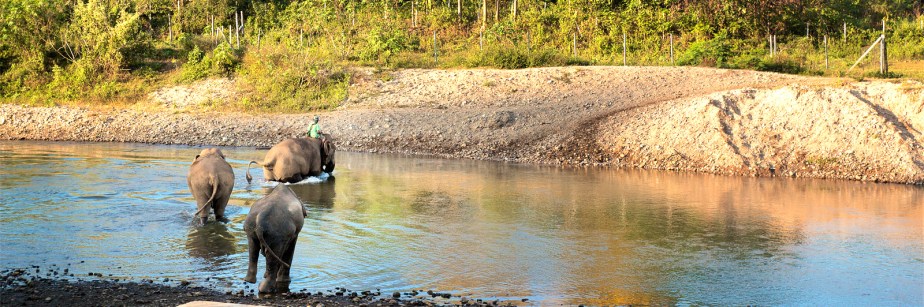
A trip to Elephant Nature Park is one of My Top 3 Activities for an Off Beat Thailand Adventure. Nestled in the hills of northern Thailand, 90 mins drive from Chiang Mai, the Park is an ethical way to see and interact with elephants. Visits to the Park range from single-day trips where you get to feed and walk with the elephants, to longer volunteer trips for those travellers who want to give back to the places they visit (you also get to spend more sweet time with the herds and experience a little of the local Thai life).

Why Elephant Nature Park?
The Asian Elephant has long been an iconic symbol of Thailand, so you may be surprised to hear that these animals are frequently abused and exploited. A lot of this exploitation occurs in the tourism industry, so it is our responsibility to make sure that we as travellers are not creating a demand for unethical practices.
A common thing to see in Thailand are elephant rides, performing elephants or even “street begging” elephants. Living conditions can be poor, and the elephants may be controlled with the use of bullhooks or slingshot to the eye. Even if the elephant appears completely docile, some of the most horrific abuse occurs behind the scenes, before the elephant is even put to work. This is the brutal phajaan process, or “the crush”, where baby elephants poached from the wild are tethered inside crates and tortured until their spirits are crushed and they learn to submit. Remember, elephants are wild, intelligent creatures. For you to be taking that elephant ride, there’s a chance its spirit had to be first broken, and a chance that was done through the phajaan. The best way to see a wild animal is not cooped up in the city, but in the countryside.
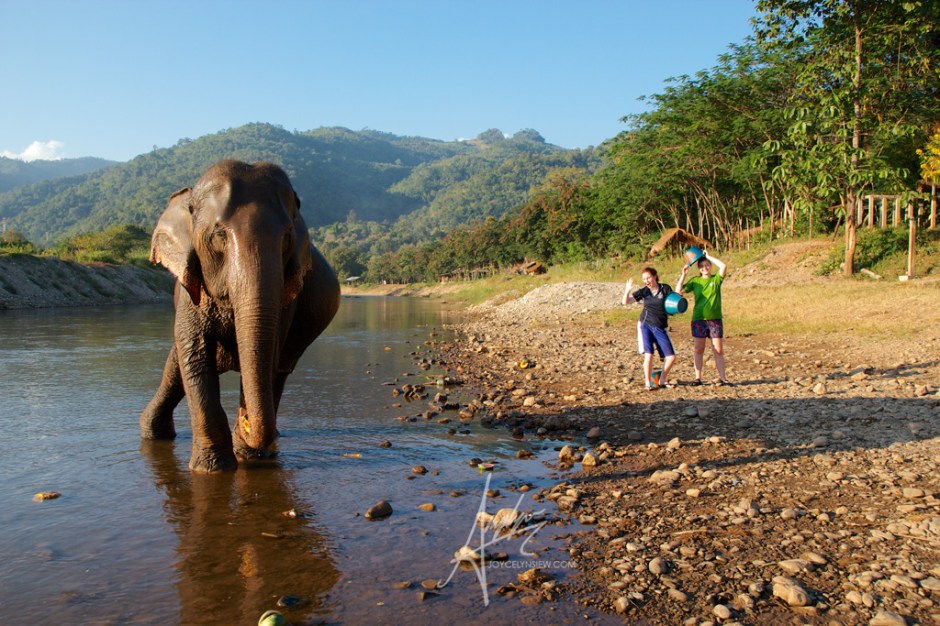
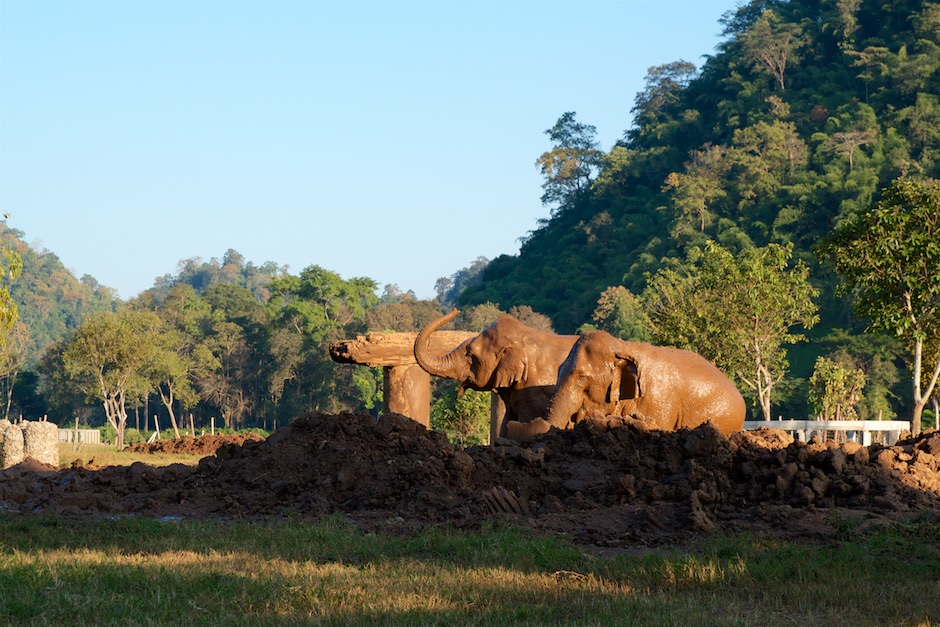
Elephant Nature Park is a sanctuary that rescues abused elephants from the tourism and logging industries, from poaching and forced breeding programs. The elephants are free to roam and play in their herds, only having to worry about being an elephant. It is quite rewarding to watch the elephants interact with one another, splash in the river or take mudbaths. At ENP, you get to learn each elephant’s story, and if you stay long enough, you discover each elephant has their own personality too.
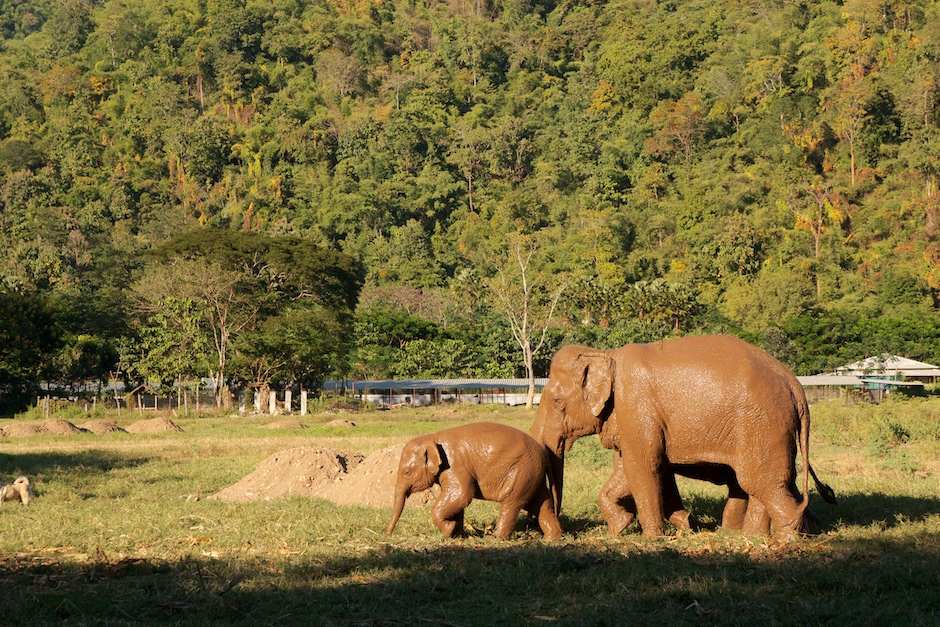
If you can’t get to Elephant Nature Park, there are other reputable places in Thailand that let you enjoy elephants being elephants. Wildlife exploitation is a complex issue, and it is not always clear what or who is operating ethically. Two places may offer the same activity, but treat their elephants very differently. Before visiting or taking part in an activity, do your research and always ask yourself, “Are the elephant’s welfare (not my personal enjoyment) being put first and do they look happy?”
Activities at the Park
What you do depends on when you’re there and how long you’re at the Park for. Elephant Nature Park offers an array of programs to choose from in and outside the Park, including overnight Park stays, hiking through the jungle with elephants and visiting elephant camps and villages. Not all the programs include a visit to the Park itself, but all of them will offer you an authentic Thai and asian elephant experience.
I did a 1 week volunteer stay at the Park. Below is a snapshot of some of the chores involved and the unique experiences I had.
The Chores
- Unloading the fruit truck – tossing and catching watermelons from the truck all the way down a line of people are sure to work those lats/wing muscles
- Collecting firewood – for the bonfire that keeps the older elephants warm at night
- Shoveling elephant poop – many of the elephants have foot injuries from stepping on landmines. The poop needs to be removed to keep enclosures clean and prevent bacteria from growing and infecting cuts on the elephants’ feet.
- Collecting rice straws (hay) – leftover from the rice paddies, for feeding the cows and buffaloes. This was hot, hard work, but you got to see the countryside. I would recommend bringing electrolytes for this and ensuring you stay well hydrated.
- Assisting the vet – this was less a chore and more a chance to follow the vet and learn about elephant treatments. We were given a chance to inject a disinfectant into a blister and drain it.
- Medicating rescue dogs – the Park also has a dog shelter, which we helped at by feeding the hundreds of dogs their deworming tablets. Volunteers are also welcome to take the dogs for their walks.
The Fun Stuff
- Meeting and feeding the elephants – everyone who visits the Park gets to meet and feed the elephants
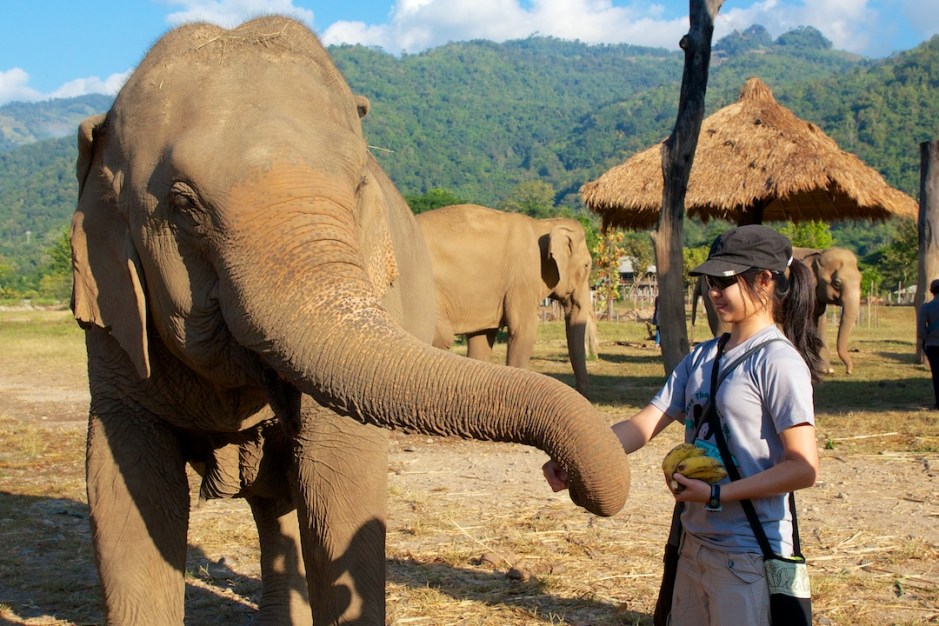
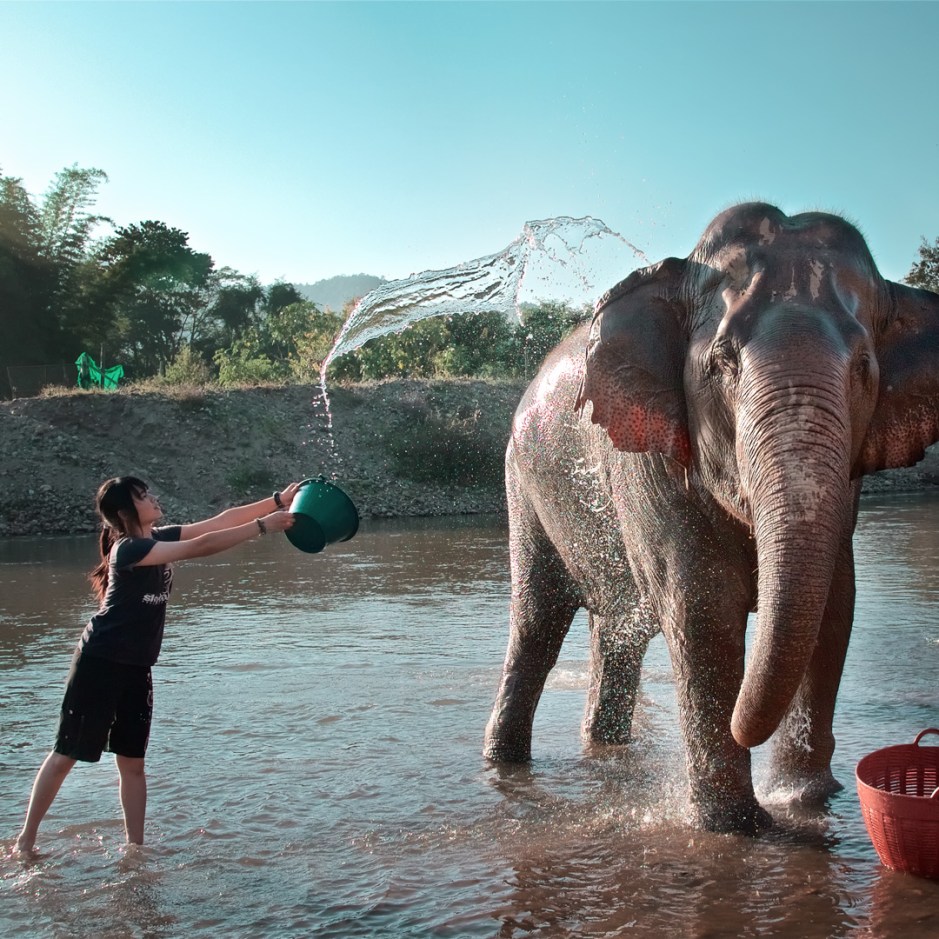
- Bathing the elephants – at the end of each day, we rinsed off the elephants with buckets of water while they enjoyed a fruit basket. This activity has since been discontinued to allow the elephants space to play by themselves and bathe each other (dangerous for humans as elephants splash and roll when bathing). There are, however, observation decks where you can watch the elephants have their river bath followed by their mud bath.
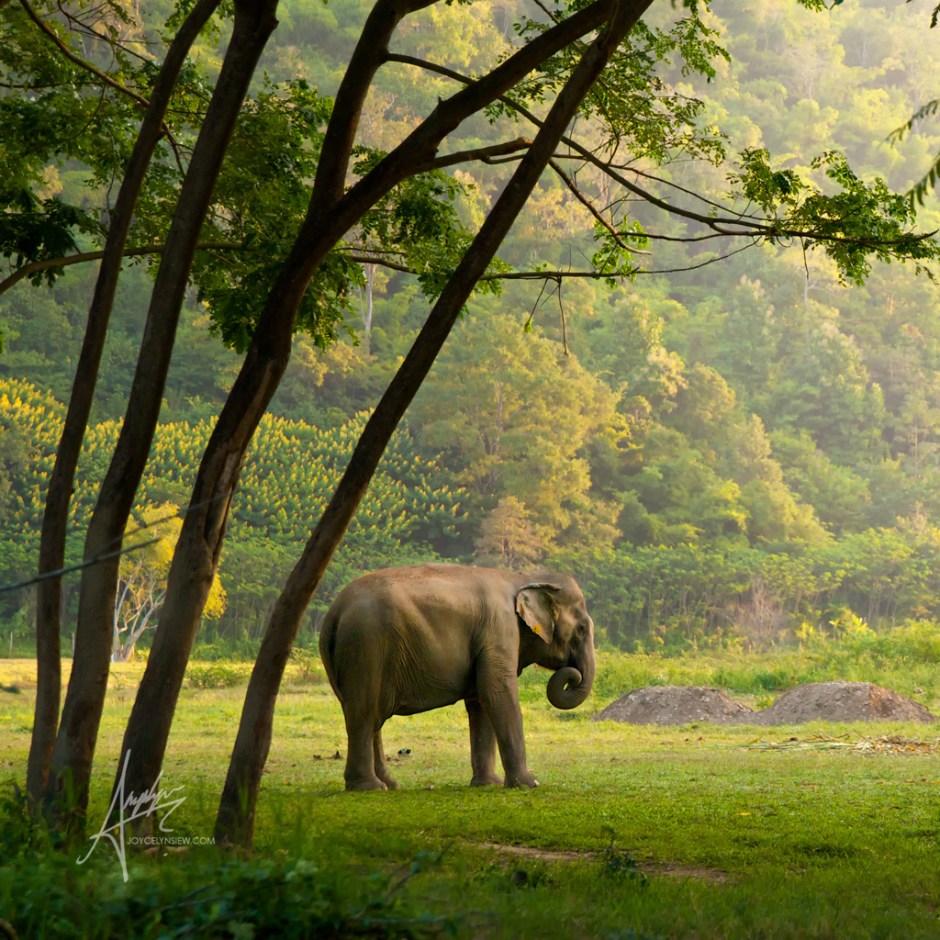
- Waking up to morning views of elephants – it’s a beautiful view to wake up to, when you step out of your room and see the soft dawn creeping into the valley and the elephants starting a new day of freedom. Some of the elephants are housed right in front of the volunteers’ rooms.
- Tubing in the river – a river winds through the Park, and after a hot day of work, it was fun to be able to drive upstream, jump into the river with a tube, relax and float back to the Park while soaking in the rustic charm and waving back to the locals living along the way. Just hang on to your tube while going through the rapids!
- Petting the cats and dogs – there are about a hundred cats and dogs who live at the Park, so there’s always some to pet and cuddle. The dogs follow you around the Park, and sometimes you might get an overly affectionate cat trying to sneak into your room.
- Thai massages – you can get a massage during your time off in the afternoon. If you’re lucky, you might even get a bonus service. No, I don’t mean that! I mean some cuddles and an additional massage (or kneading) from the resident cats.
- Riding in a truck – technically not an advertised activity, but it’s how transport works around the village. If you need to collect hay or are going tubing, you will travel in the back of the truck. It’s fun riding “topdeck” on top of the bays of hale. The idea is to keep the hay down, but it’s also a great vantage point for seeing the countryside.
The Local Experience
- Traditional blessing ceremony – volunteers are officially welcomed with dinner and the shaman of Elephant Nature Park conducting a traditional blessing ceremony. All guests are invited up to be blessed, although if you would like to be part of the main ceremony, try to grab a seat at the front.

- Dances by the children – we were treated to some traditional dance performances by children from the local school over dinner
- Language/cultural talk – the ENP guides shed a little light on Thai culture and teach us some words
- School visit – we visited a local village school where the children helped us make bracelets and we were invited to join in their dance lessons
Accommodation & Facilities
Though out in the country, you won’t be completely roughing it. ENP provides:
- Shared rooms with beds and mosquito nets for weekly volunteers (no air con).
- Communal toilets and bathrooms for weekly volunteers. Toilets are western style, but are not designed to have toilet paper flushed. Used toilet paper goes into the bin instead. This may seem to be unhygienic to those from the West, but that’s because we’re doing it wrong! The etiquette is not to wipe and dispose of the paper, but to rinse yourself with the hose or bucket and scoop provided. The toilet paper is only for patting yourself dry! There is hot water, although this is not guaranteed and you may have a cold shower.
- Overnight visitors have a private hut with attached bathroom (no air con).
- Food – all meals are provided and are vegetarian. There is also a little snack store. As with everywhere else in Thailand, you should be aware of food and water precautions to take. I recommend going to see your doctor before travelling and getting medication for traveller’s diarrhoea as medical services are not easily accessible. Many in my group fell sick at some point, though all at different times so it was difficult to pinpoint the cause.
- Laundry – the park provides laundry services where you bring a bag to the lovely ladies each day and they charge by the kg. I never actually saw where the laundry was done, but suspect it is hand washed. I don’t know what they put in the wash, but my clothes always came back smelling great!
- Wifi – technically there is wifi in the communal area, however it is slow and intermittent. If you’re desperate to stay connected, you’re better off with a local SIM card. Make sure you purchase the DTAC Happy Tourist SIM, as you ARE in a remote part of Thailand and they are the only carrier who will reliably have coverage there.
Booking this experience
Book online directly with Elephant Nature Park. You could probably also book at their office in Chiang Mai, although I would recommend booking early online to avoid disappointment.
If you stay at a hotel in Chiang Mai, ENP offers free pick ups and transportation to the Park (just make sure to stay within the middle ring road). Otherwise you will need to meet them at their office on the edge of the Old City, just inside the moat.
I highly recommend a visit to Elephant Nature Park. It’s guaranteed to be an eye-opening experience!
If you have any questions about volunteering at Elephant Nature Park, leave a comment below or feel free to chat on Instagram!
For more adventures, follow me on Instagram (@joycelynsiew).

 Joycelyn Siew
One thought on “Voluntouring at Elephant Nature Park, Thailand”