Blog

Voluntouring at Elephant Nature Park, Thailand

A trip to Elephant Nature Park is one of My Top 3 Activities for an Off Beat Thailand Adventure. Nestled in the hills of northern Thailand, 90 mins drive from Chiang Mai, the Park is an ethical way to see and interact with elephants. Visits to the Park range from single-day trips where you get to feed and walk with the elephants, to longer volunteer trips for those travellers who want to give back to the places they visit (you also get to spend more sweet time with the herds and experience a little of the local Thai life).

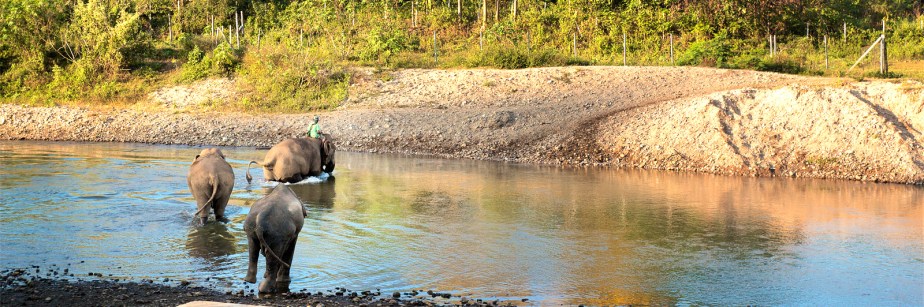
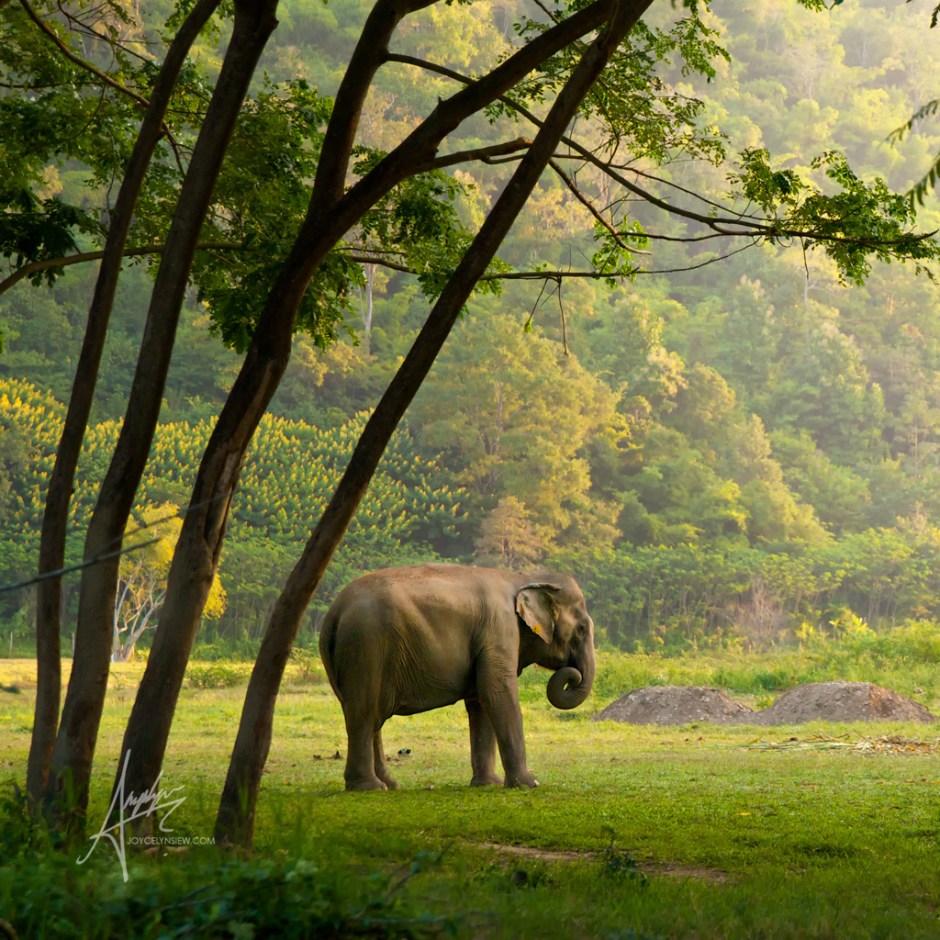
Sunlight streams into “elephant heaven” as we go to meet the herd.

Why Elephant Nature Park?

The Asian Elephant has long been an iconic symbol of Thailand, so you may be surprised to hear that these animals are frequently abused and exploited. A lot of this exploitation occurs in the tourism industry, so it is our responsibility to make sure that we as travellers are not creating a demand for unethical practices.
This is Mae Lanna. She is 60% blind, most likely damaged by sling shot – the method used to force elephants to work in the logging industry. She was rescued from begging on the streets of Pattaya.

A common thing to see in Thailand are elephant rides, performing elephants or even “street begging” elephants. Living conditions can be poor, and the elephants may be controlled with the use of bullhooks or slingshot to the eye. Even if the elephant appears completely docile, some of the most horrific abuse occurs behind the scenes, before the elephant is even put to work. This is the brutal phajaan process, or “the crush”, where baby elephants poached from the wild are tethered inside crates and tortured until their spirits are crushed and they learn to submit. Remember, elephants are wild, intelligent creatures. For you to be taking that elephant ride, there’s a chance its spirit had to be first broken, and a chance that was done through the phajaan. The best way to see a wild animal is not cooped up in the city, but in the countryside.
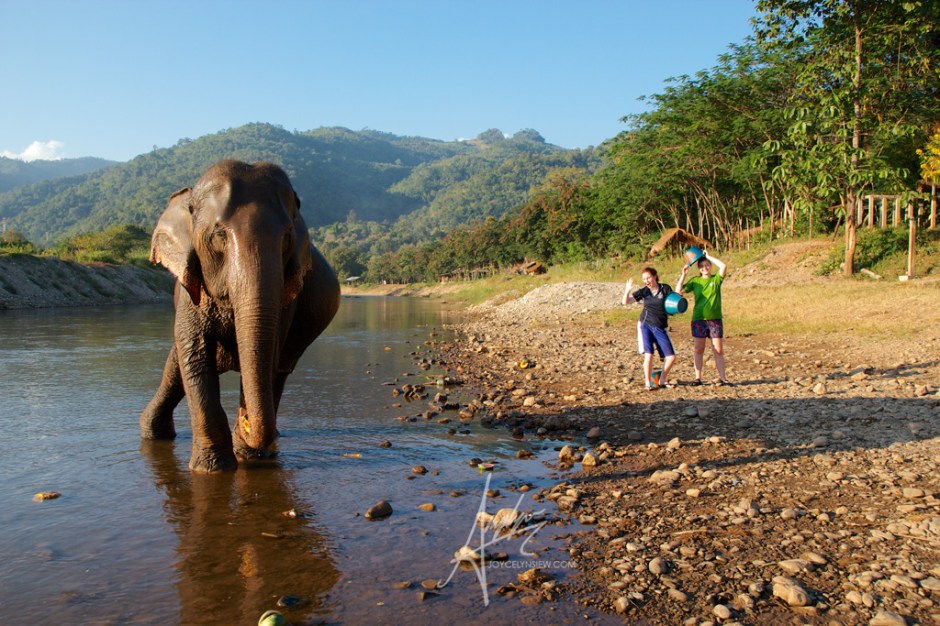
Medo looks like she’s posing in this photo with the girls after her daily bath, but in actuality her left ankle was broken when a heavy log fell on her while she was working in a logging camp. No longer able to work due to her lameness, she was forced into a breeding program where her backbone was dislocated after being chained by all four legs and left unable to escape or defend herself from an attacking bull. Initially very shy after her rescue, she is now best friends with Mae Lanna.

Elephant Nature Park is a sanctuary that rescues abused elephants from the tourism and logging industries, from poaching and forced breeding programs. The elephants are free to roam and play in their herds, only having to worry about being an elephant. It is quite rewarding to watch the elephants interact with one another, splash in the river or take mudbaths. At ENP, you get to learn each elephant’s story, and if you stay long enough, you discover each elephant has their own personality too.
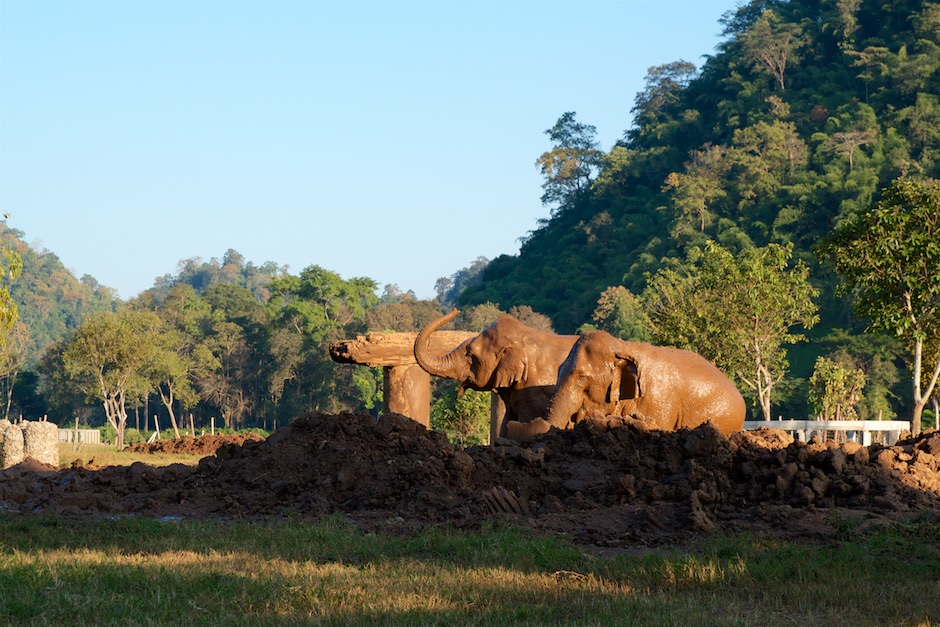
Mudbath time!
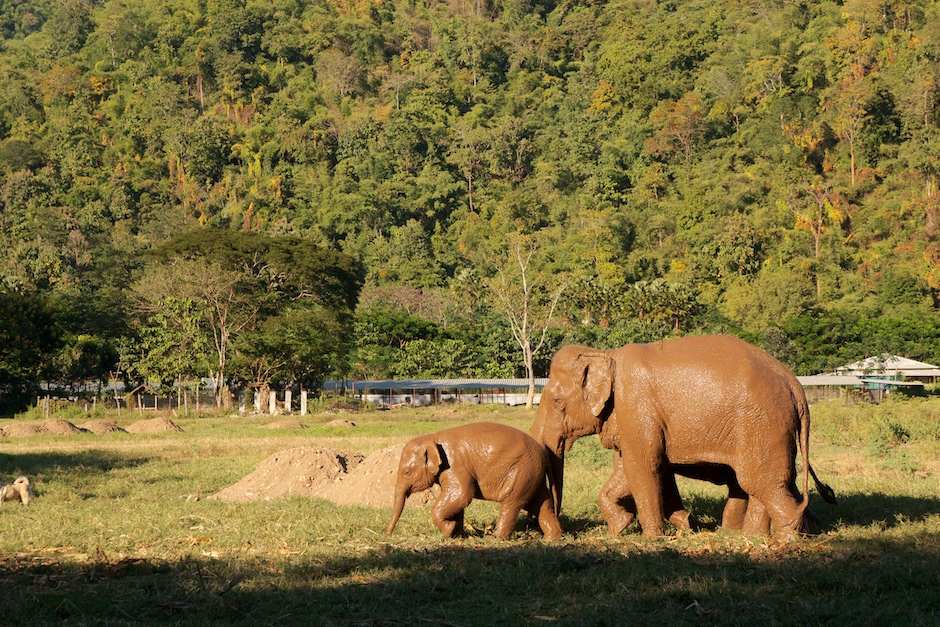
Baby Yin Dee and nannies return to their shelters after their mud baths

If you can’t get to Elephant Nature Park, there are other reputable places in Thailand  that let you enjoy elephants being elephants. Wildlife exploitation is a complex issue, and it is not always clear what or who is operating ethically. Two places may offer the same activity, but treat their elephants very differently. Before visiting or taking part in an activity, do your research and always ask yourself, “Are the elephant’s welfare (not my personal enjoyment) being put first and do they look happy?”

Activities at the Park

What you do depends on when you’re there and how long you’re at the Park for. Elephant Nature Park offers an array of programs to choose from in and outside the Park, including overnight Park stays, hiking through the jungle with elephants and visiting elephant camps and villages. Not all the programs include a visit to the Park itself, but all of them will offer you an authentic Thai and asian elephant experience.

I did a 1 week volunteer stay at the Park. Below is a snapshot of some of the chores involved and the unique experiences I had.

The Chores
  • Unloading the fruit truck – tossing and catching watermelons from the truck all the way down a line of people are sure to work those lats/wing muscles
  • Collecting firewood – for the bonfire that keeps the older elephants warm at night
  • Shoveling elephant poop – many of the elephants have foot injuries from stepping on landmines. The poop needs to be removed to keep enclosures clean and prevent bacteria from growing and infecting cuts on the elephants’ feet.
  • Collecting rice straws (hay) – leftover from the rice paddies, for feeding the cows and buffaloes. This was hot, hard work, but you got to see the countryside. I would recommend bringing electrolytes for this and ensuring you stay well hydrated.
  • Assisting the vet – this was less a chore and more a chance to follow the vet and learn about elephant treatments. We were given a chance to inject a disinfectant into a blister and drain it.
  • Medicating rescue dogs – the Park also has a dog shelter, which we helped at by feeding the hundreds of dogs their deworming tablets. Volunteers are also welcome to take the dogs for their walks.
The Fun Stuff
  • Meeting and feeding the elephants – everyone who visits the Park gets to meet and feed the elephants
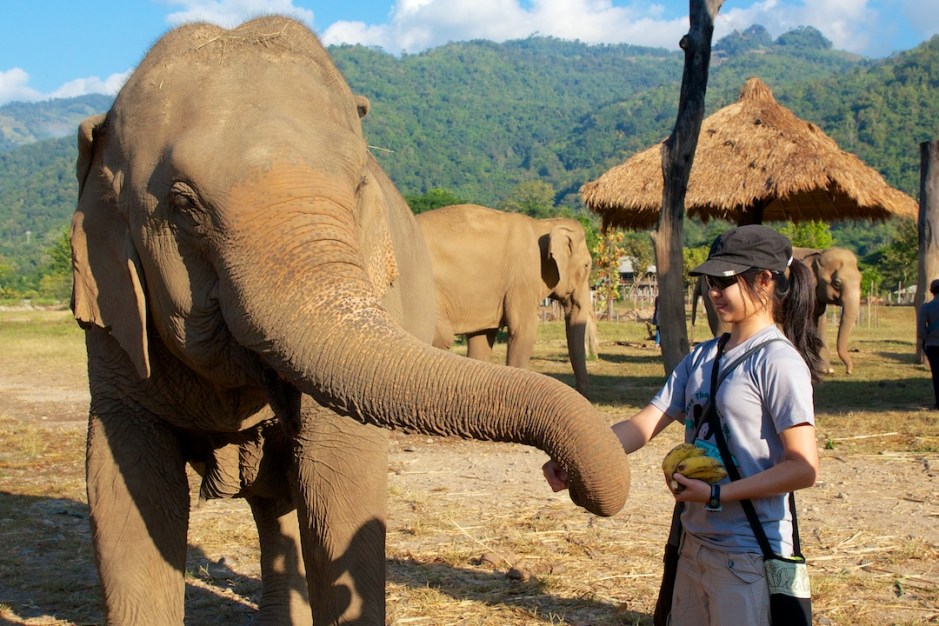
This cheeky girl is Mae Keow. She would so ever gently accept your food offering, tuck it into the curve of her trunk and immediately ask for more, even though she had yet to eat all the fruit she was still holding! Shortly after my visit, she lost the will to live, and has since passed to join her best friend Lily whom she lost a few years beforehand.
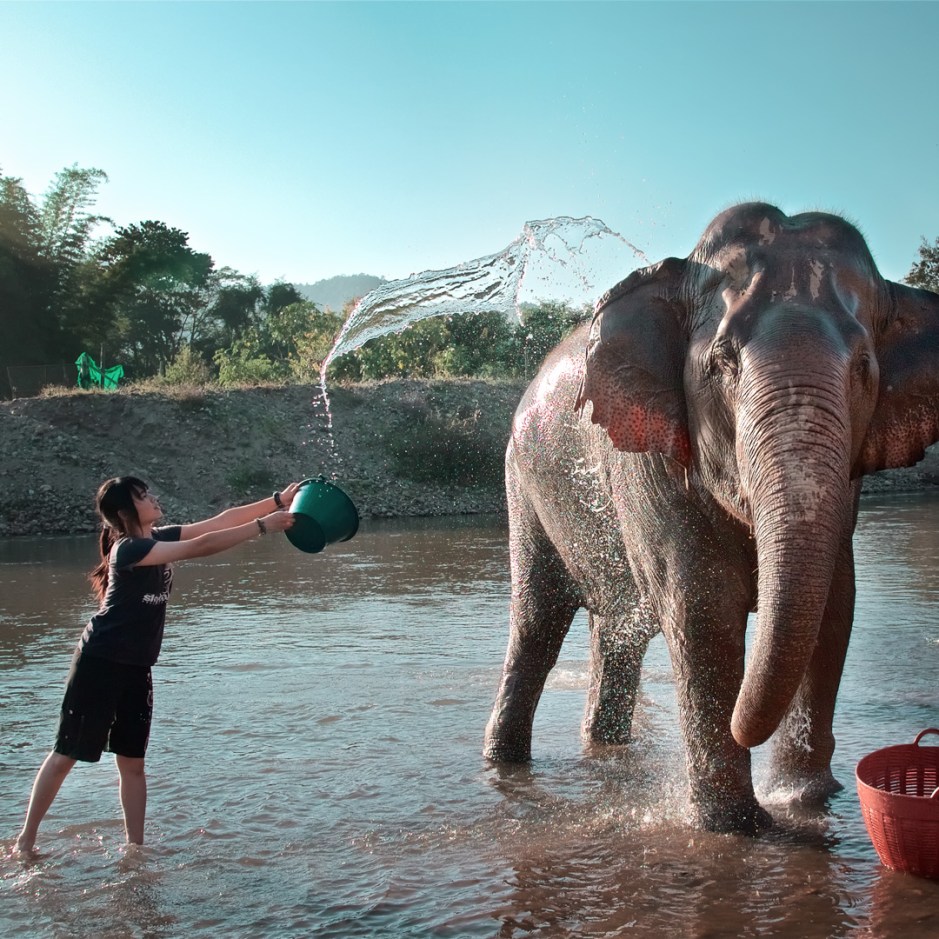
  • Bathing the elephants – at the end of each day, we rinsed off the elephants with buckets of water while they enjoyed a fruit basket. This activity has since been discontinued to allow the elephants space to play by themselves and bathe each other (dangerous for humans as elephants splash and roll when bathing). There are, however, observation decks where you can watch the elephants have their river bath followed by their mud bath.
  • Waking up to morning views of elephants – it’s a beautiful view to wake up to, when you step out of your room and see the soft dawn creeping into the valley and the elephants starting a new day of freedom. Some of the elephants are housed right in front of the volunteers’ rooms.
Jan Peng is recognisable by the flower she always wears in her ear. What is an old scar from an elephant hook is now something beautiful.
  • Tubing in the river – a river winds through the Park, and after a hot day of work, it was fun to be able to drive upstream, jump into the river with a tube, relax and float back to the Park while soaking in the rustic charm and waving back to the locals living along the way. Just hang on to your tube while going through the rapids!
  • Petting the cats and dogs – there are about a hundred cats and dogs who live at the Park, so there’s always some to pet and cuddle. The dogs follow you around the Park, and sometimes you might get an overly affectionate cat trying to sneak into your room.
  • Thai massages – you can get a massage during your time off in the afternoon. If you’re lucky, you might even get a bonus service. No, I don’t mean that! I mean some cuddles and an additional massage (or kneading) from the resident cats.
  • Riding in a truck – technically not an advertised activity, but it’s how transport works around the village. If you need to collect hay or are going tubing, you will travel in the back of the truck. It’s fun riding “topdeck” on top of the bays of hale. The idea is to keep the hay down, but it’s also a great vantage point for seeing the countryside.
The Local Experience
  • Traditional blessing ceremony – volunteers are officially welcomed with dinner and the shaman of Elephant Nature Park conducting a traditional blessing ceremony. All guests are invited up to be blessed, although if you would like to be part of the main ceremony, try to grab a seat at the front.
Bad luck is washed off our hands by brushing them with leaves dipped in ‘holy’ water into the middle of the decorated basket, which would later be given to the river to drift away. A cord, representing the blessing/good luck, was tied to our wrist with the other ends held by the shaman while chanting blessings. The cord was then wound around our wrists three times, tied off, and broken off by hand. Meanwhile, the blessing was extended to all other guests with the elder ladies tying a single strand of cord around everyone’s wrists. Thais typically keep these on for 3-7 days before untying it by hand and keeping it for good luck or tying it to a big tree. Cutting or getting it dirty is considered to be bad luck.
  • Dances by the children –   we were treated to some traditional dance performances by children from the local school over dinner
  • Language/cultural talk – the ENP guides shed a little light on Thai culture and teach us some words
  • School visit – we visited a local village school where the children helped us make bracelets and we were invited to join in their dance lessons

Accommodation & Facilities

Though out in the country, you won’t be completely roughing it. ENP provides:

  • Shared rooms with beds and mosquito nets for weekly volunteers (no air con).
  • Communal toilets and bathrooms for weekly volunteers. Toilets are western style, but are not designed to have toilet paper flushed. Used toilet paper goes into the bin instead. This may seem to be unhygienic to those from the West, but that’s because we’re doing it wrong! The etiquette is not to wipe and dispose of the paper, but to rinse yourself with the hose or bucket and scoop provided. The toilet paper is only for patting yourself dry! There is hot water, although this is not guaranteed and you may have a cold shower.
  • Overnight visitors have a private hut with attached bathroom (no air con).
  • Food – all meals are provided and are vegetarian. There is also a little snack store. As with everywhere else in Thailand, you should be aware of food and water precautions to take. I recommend going to see your doctor before travelling and getting medication for traveller’s diarrhoea as medical services are not easily accessible. Many in my group fell sick at some point, though all at different times so it was difficult to pinpoint the cause.
  • Laundry – the park provides laundry services where you bring a bag to the lovely ladies each day and they charge by the kg. I never actually saw where the laundry was done, but suspect it is hand washed. I don’t know what they put in the wash, but my clothes always came back smelling great!
  • Wifi – technically there is wifi in the communal area, however it is slow and intermittent. If you’re desperate to stay connected, you’re better off with a local SIM card. Make sure you purchase the DTAC Happy Tourist SIM, as you ARE in a remote part of Thailand and they are the only carrier who will reliably have coverage there.

Booking this experience

Book online directly with Elephant Nature Park. You could probably also book at their office in Chiang Mai, although I would recommend booking early online to avoid disappointment.

If you stay at a hotel in Chiang Mai, ENP offers free pick ups and transportation to the Park (just make sure to stay within the middle ring road). Otherwise you will need to meet them at their office on the edge of the Old City, just inside the moat.

I highly recommend a visit to Elephant Nature Park. It’s guaranteed to be an eye-opening experience!

If you have any questions about volunteering at Elephant Nature Park, leave a comment below or feel free to chat on Instagram!

For more adventures, follow me on Instagram (@joycelynsiew).

Kayaking Phang Nga Bay, Thailand

Last time, I gave an overview of My Top 3 Activities for an Off Beat Thailand Adventure. This time, we’re diving down into the details of my hands-down favourite experience of the whole trip: exploring Phang Nga Bay by kayak.

Disclaimer: This was a customised tour, so the itinerary is slightly different from the tour packages available. However, most of these experiences are still offered one way or another by John Gray’s Sea Canoe. I summarise some of the options in “booking this experience” below.

Phang Nga Bay map
Exploring Phang Nga Bay, Thailand: Phuket to Krabi

I made a one way trip from Phuket to Krabi through the hidden gems of Phang Nga Bay, but don’t worry about getting stranded on the other side,  tours typically operate as a round trip out of Phuket. Stay anywhere on Phuket Island and John Gray’s Sea Canoe will pick you up and return you to your accommodation.

Day 1: Phuket to Ko Yao Noi

Caves, secluded islands and floating lanterns

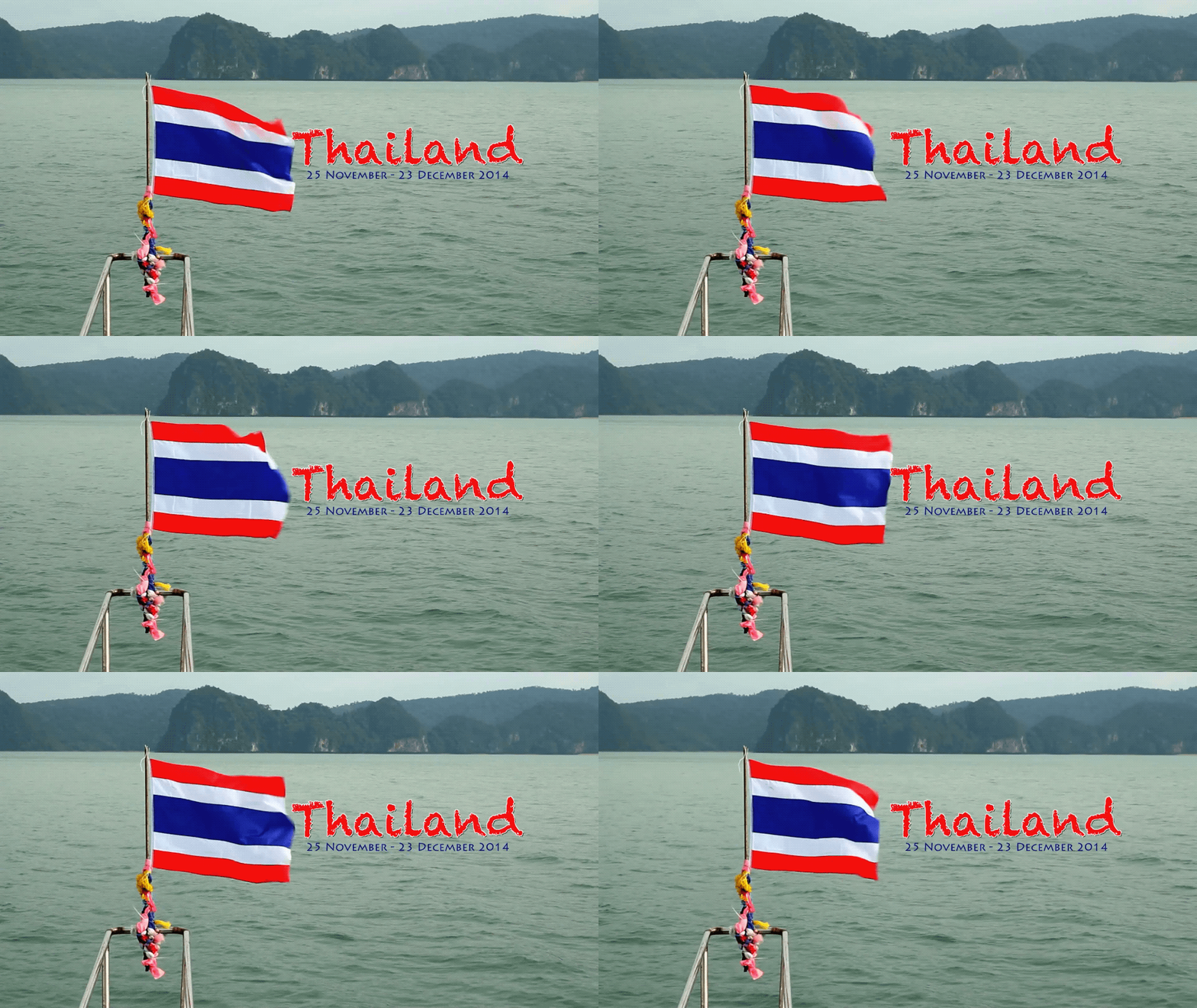
Thailand Flag Intro

We departed from Phuket by boat to visit our first islets and hongs – secret “rooms” in the middle of the islets, accessible only through caves at low tide. We leave the boat behind in our fleet of bright yellow kayaks, and one by one, paddle against the current rushing out of the cave mouth and into the gloom. Some caves are low and short, and you can see the light at the other end. Others are long and cavernous, winding through to the heart of the islet. There is enough light from the head torches to see how high the roof is above us.

The cave opens up to light, revealing the hong beyond – a little bay completely surrounded by towering limestone cliffs. Lush green vegetation defy gravity, growing out of the sheer rock face. In some hongs, long tailed macaques (monkeys) scamper along the walls.

Kayaking through caves to the hongs
Kayaking through caves to the hidden hongs

Having explored a few hongs, it’s back to the boat and on to our next destination. We dropped anchor next to a beautiful, secluded island. Where there had been a few other groups exploring the hongs with us, this time we had the whole island to ourselves. We went for a paddle around the island, cresting and riding down the swells. If that sounds daunting to you, don’t be! Many of the kayaks are doubles, so if you’re less experienced you can paddle with a friend. If you’d rather just sit back and enjoy the view, you can even do so with one of the guides paddling for you.

We finished the day nestled back in the protective curve of the island. Our guides strung up four inflatable canoes behind the boat for us to play on. With a backdrop of limestone karst and turqoise waters, we took turns running across the make-shift bridge to see who could make it to the end. Flailing arms aside, I’m pleased to say that I was the first to make it to the end, and on my first attempt!

Canoe raft

Other games included facing off and rocking the canoe to see who could stay standing the longest. I took a gander at backflips off the canoe, and one of our friendly guides, nicknamed “Tiger”, upped the ante by having us launch off his back.

IMG_9505

Playing in turquoise waters of an exclusive bay. One of our guides, “Tiger”, offers to be a launch pad for our backflips into the beautiful water.

A light rain began to fall while we were playing, but far from dampening spirits, it added to the surrealism. It tasted like a sweet balm to the saltiness of the ocean. What could be a more beautiful way to end a day than having fun with friends in a picturesque spot with no one else around?

And here, I was wrong. It wasn’t over when dusk fell. While dinner was being prepared for us, we were shown how to make our own krathongs, or floating baskets. These krathongs are traditionally released on a river or pond during the Loi Krathong festival at the full moon in November. In the words of our guides, they’re meant as thanks and apologies to the water for its provision and for people hurting it.

A krathong begins with a slice of a banana tree trunk as the buoyant base. We were taught how to fold banana leaves and attach them to the trunk slice to form the sides of the “basket”. You then get to express your creativity here in decorating your krathong with flowers. My favourite part was making little birds from the orchid buds. How cute are they?!

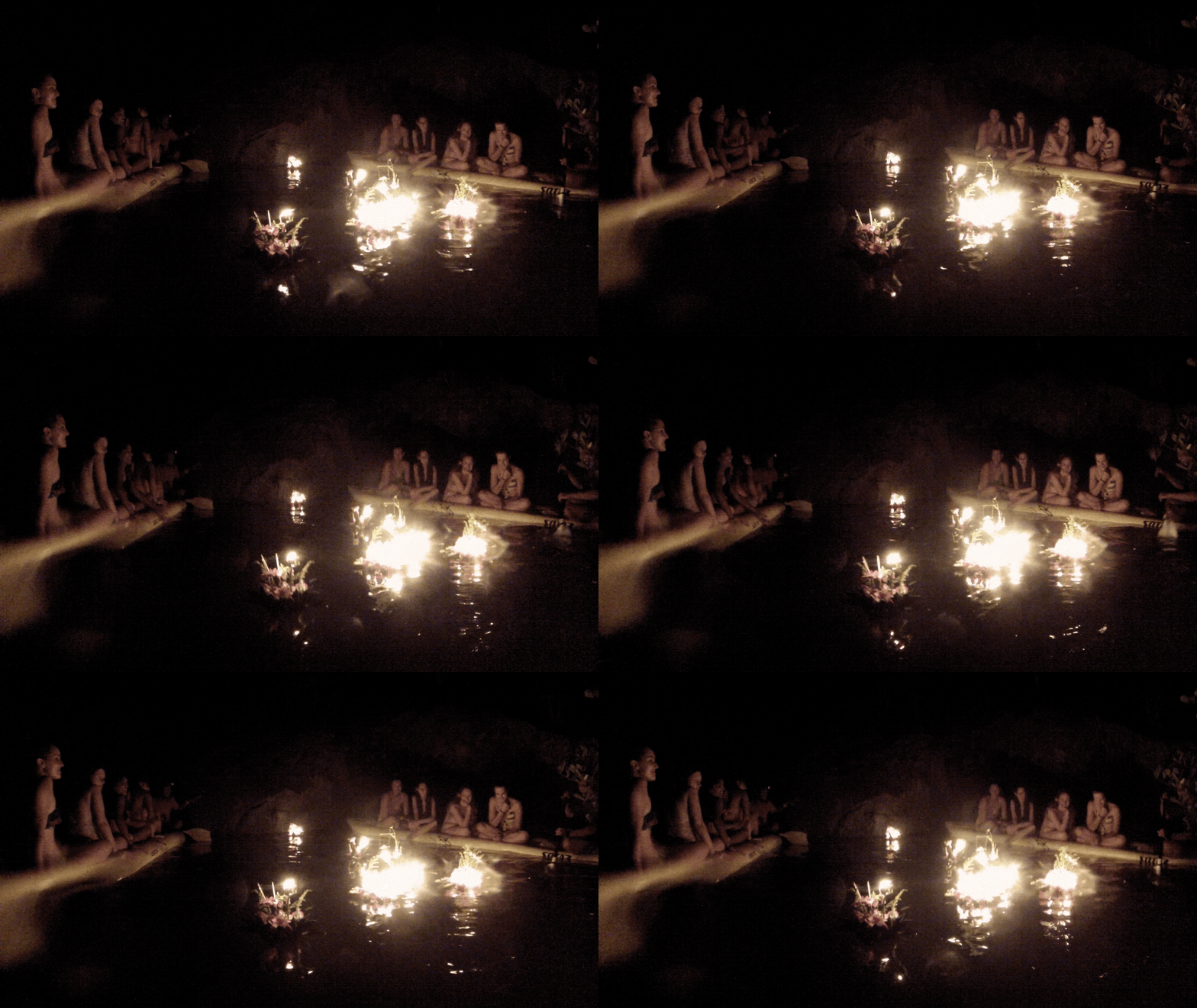
After dinner, when darkness had well and truly fallen, we took our krathongs out in canoes into the quiet little bay. With not another soul around for miles, it was just us in this mesmerising moment. We lit the candles, made a wish, and set our beautiful krathongs adrift. Swishing our hands through the water, our fingertips sparkled with the glow of bioluminescent phytoplankton.

Loi krathong
Lighting and setting our krathongs adrift with a wish

One by one, the little flames in the darkness winked out, and we collected our krathongs (we didn’t want to pollute the ocean!). On our return to the boat, there was yet another surprise in store – glittering green and red fireworks split the sky, illuminating us and the boat below. What a spectacular finish to an already magical night!

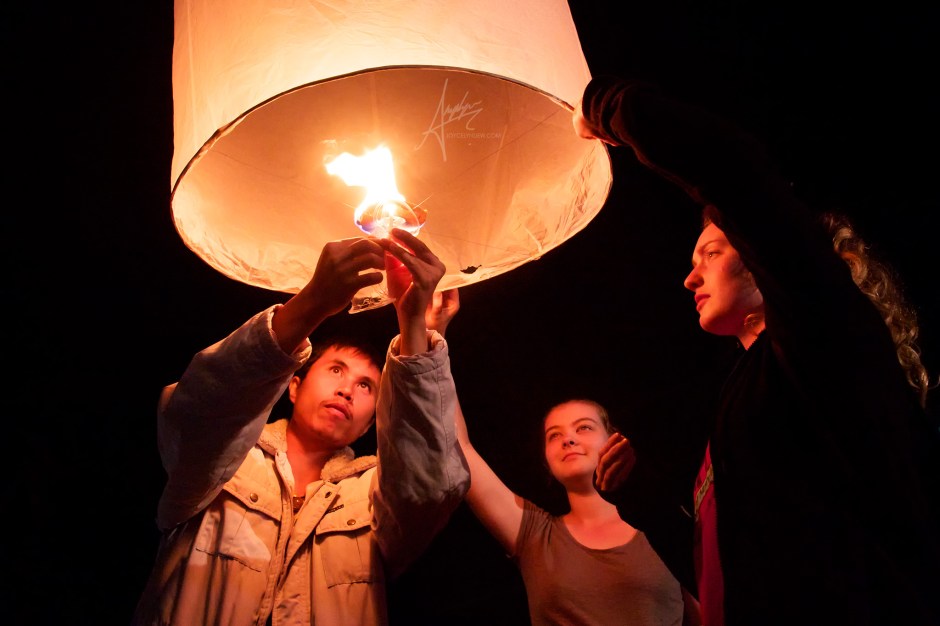
To top it all off, we were given a chance to take part in yet another iconic experience. Coinciding with the annual Loi Krathong festival is Yi Peng (or Festival of Lights). Where Loi Krathong is celebrated nationally, Yi Peng is dominant in northern Thailand in what used to be the Lanna kingdom (Chiang Mai was once it’s capital). Khom loy, or floating lanterns, are released into the night sky and represent letting go of all your ills and misfortunes. This practice is not just restricted to the festival, as the Thais love it so much they take any excuse to release these lanterns – birthdays, weddings or any time there’s a celebration. Or when you’re out on a boat having just had the most amazing day in the islands!

Lighting the khom loy (or floating lantern)

We were dropped off at our accommodation on Ko Yao Noi, an island in Phang Nga Bay, to get a good night’s rest and recharge for another day of adventure. Note this is not standard; typically you will get dropped off at your Phuket accommodation if you are on a day tour, or camp on a beach if on a multi-day tour.

Day 2: Ko Yao Noi to Krabi

Hidden lagoons, mangrove forests and limestone canyons

How do you follow a day jammed packed with so much action and cultural immersion? Well, Day 2 still had a lot of exploring, but at a more leisurely pace and (in my opinion) more scenic places.

The first stop is Ko Hong (or Hong Island), famous for it’s white sand beach and clear waters. But we’re not stopping at the white sand beach today, which is a tourist hotspot and can get rather crowded. Instead, we approached the island from the back and landed on a smaller, rockier but private beach backdropped by the colourful limestone cliffs.

Wading in for a swim after pulling ashore on a private beach of the popular Ko Hong island

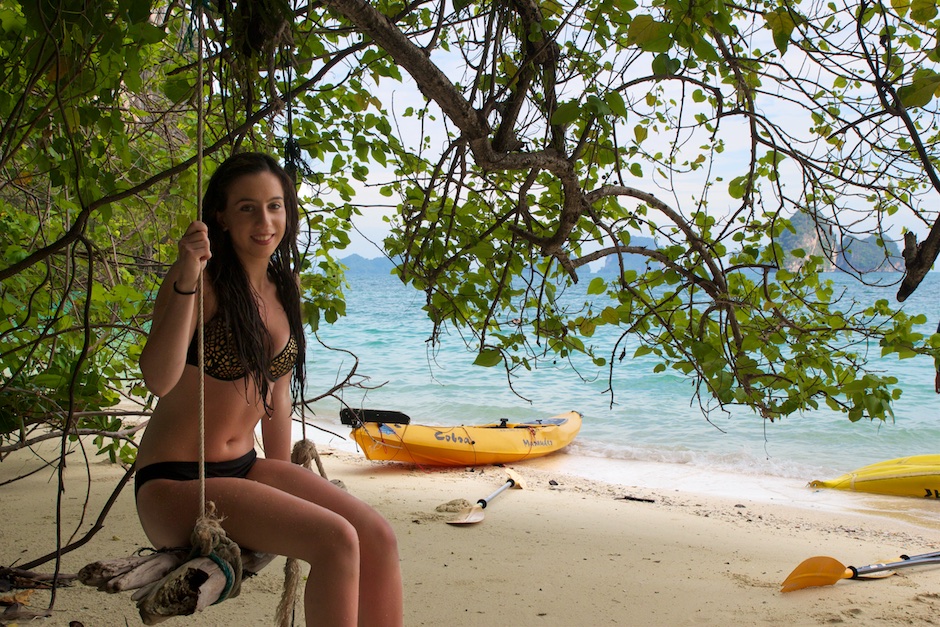
Right next to our private beach was a narrow passage with towering cliffs on either side – the entrance to the hidden lagoon at the heart of the island. Boats can’t always make it in, especially at low tide, but with kayaks it’s always accessible. We had plenty of time at the island to explore the lagoon, frolic in its dreamy waters, or relax on a driftwood swing under the trees on our private beach.

Relaxing on a driftwood swing and exploring the hidden lagoon of Ko Hong

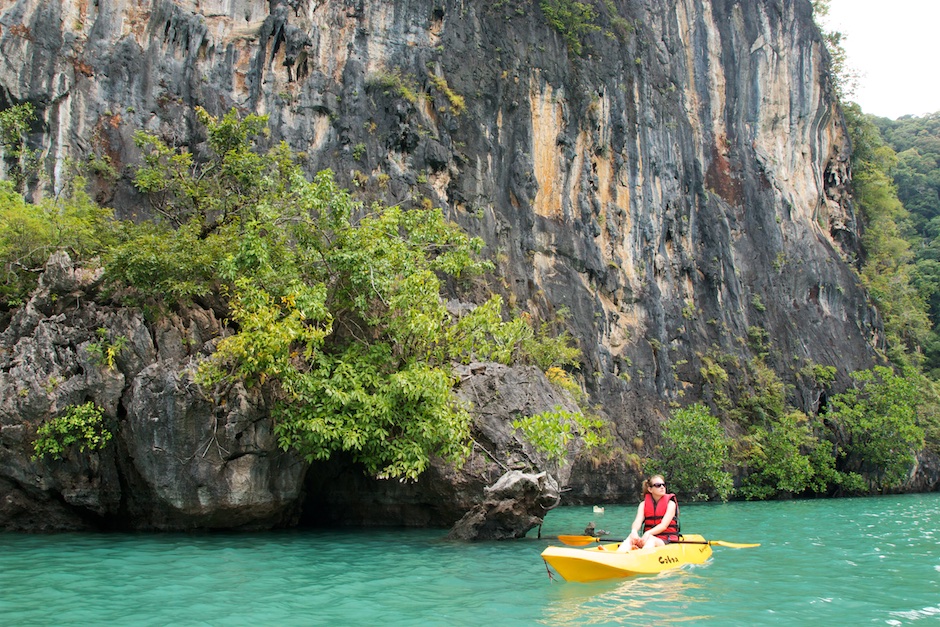
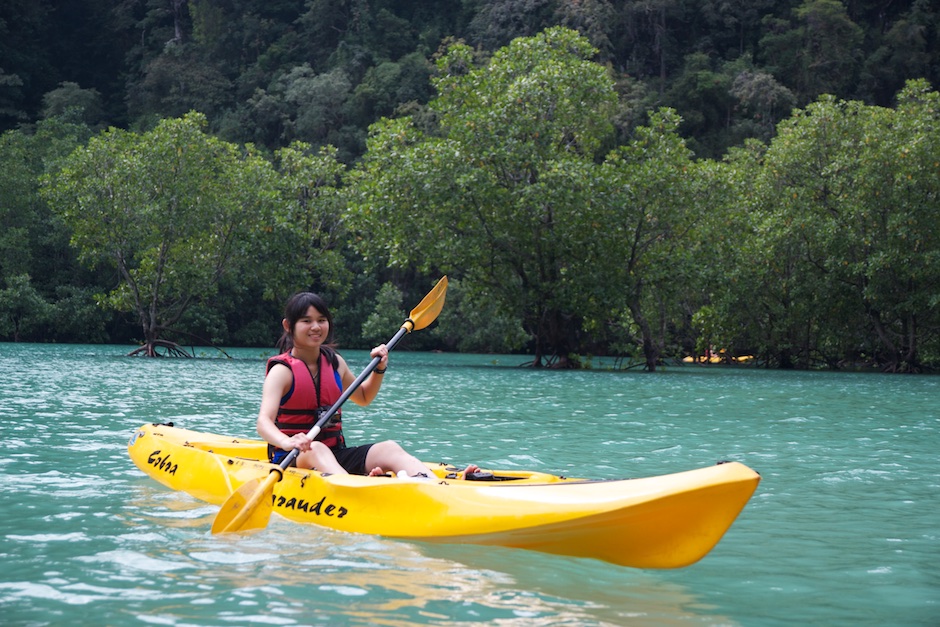
Location two was through the mangrove forests and limestone canyons of Ao Thalane, a bay off the coast of Krabi. After spending a day and a half out at sea island-hopping, this was a nice change of scenery. In fact, if I had to choose, this labyrinth of contrasting lush green and rocky vertical walls would have been my favourite to explore. It’s one thing to marvel at the sheer rocky faces of Thailand’s iconic islands from a beach or a boat, but nothing compares to the awe of getting up close and personal and feeling the immense weight and soaring heights of the rock all around you.

Wending through the labyrinth of the limestone canyons of Ao Thalane

Booking this experience

I did this customised trip through John Gray’s Sea Canoe, however there are many other sea kayak operators in the region you can choose from.

If you’re after kayaking through caves, exploring the hongs and making your own loi krathong, try John Gray’s Hong by Starlight day tour. If you’re more interested in the secluded islands, Day in the Islands is your tour. And if you want to do both, you can do both day trips and return to your Phuket accommodation in between to sleep, or do a 2D/1N or 3D/2N overnight trip and throw in some beach camping. All these tours operate out of Phuket.

On the Krabi side? You can get kayaking tours to the Ao Thalane mangrove forest and canyon and to Ko Hong (Hong Island). Many operators offer pick-ups from your accommodation in Krabi town, Klong Muang and Ao Nang so check where they cover.

I highly recommend kayak as the best way to explore Phang Nga Bay. Less crowds and access to places you wouldn’t have otherwise. You don’t need to have any previous kayaking experience, and as long as you’re reasonably fit, you’re good to go. If you’re still worried, there are double kayaks so you can paddle with a friend or you could always request to have a guide in with you. Me personally? Well, I enjoy working for my rewards 🙂

For more adventures, follow me on Instagram (@joycelynsiew).

My Top 3 Activities for an Off Beat Thailand Adventure

Thailand Map
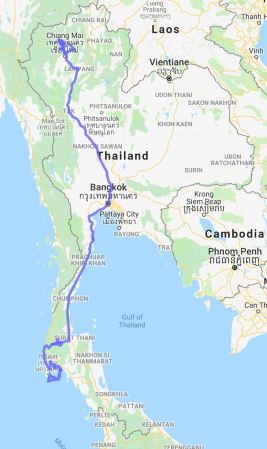
My route through the Land of Smiles: from Chiang Mai (north) to Krabi (south).

I spent a month adventuring in Thailand back in 2014, and you want to know a secret? The famous tourist hotspots I’d heard of (Phi Phi Islands, Railay Beach in Krabi etc.) were my least favourite. Where I found the local Thais to be friendly and the places quaint and inviting, when I arrived at Railay Beach and Phi Phi Islands, the atmosphere shifted to “touristy” and almost a little cut-throat.

That’s not to say they’re not great places — if you love lounging at a resort by the beach or wild nights. But the experiences that wowed me more, touched me more, and stayed with me even 4 years on were found in other places.

The second best way to experience something is to see it in action. So here are the highlights of my month-long trip condensed into this short video.

The best way to experience something is, of course, to do it yourself! So here were my top 3 favourite things to do in Thailand that’s off the beaten track.

1. Sea Kayaking – Phang Nga Bay (Phuket/Krabi)

I’ve done plenty of kayaking before, including multi-day sea expeditions, but this was the most enjoyable kayaking experience I’ve ever had. I say sea kayaking, but that wasn’t all — imagine paddling through caves into a lagoon at the heart of an island, playing in beautiful bays without the crowds, drifting through mangroves with towering limestone cliffs on either side, and taking part in a little Thai culture by making kratongs (floating lanterns) from leaves and flowers, lighting and floating them in a quiet bay at night. If you’re in Phuket, this is a must. Don’t just admire Thailand’s iconic islands from a distance, get in and explore amongst them!

John Gray’s Sea Canoe runs day and overnight trips out of Phuket. The guides are all local, super friendly, and down for fun!

Playing in turquoise waters of an exclusive bay. One of our guides, “Tiger”, offers to be a launch pad for our backflips into the beautiful water.

I recommend doing an overnight trip, as though the cool factor is kayaking through a cave and emerging at the heart of an island, many of these islands are located on the western side of the Bay (Phuket side), but the more picturesque islands and mangroves are over on the eastern side (Krabi side). If you’re not up for camping overnight, you can still book accommodation in Phuket and do the different day trips on offer. John Gray’s offers pick ups and drop offs from the entire Phuket island.

One of my highlights was kayaking through the mangrove forests and limestone cliffs of Ao Thalane. I’m not certain that this location is part of a standard trip with John Gray’s Sea Canoe as I was on a customised tour, however there are many tour operators that run trips to Ao Thalane that you can book while staying in Krabi.

Kayaking through the mangrove forests and limestone cliffs of Ao Thalane

Sound exciting? You can find the full run down on this amazing adventure and how to book over at my blog post: Kayaking Phang Nga Bay, Thailand

2. Cheow Lan Lake – Khao Sok National Park

When my guides said we would be visiting a dam, I wasn’t exactly bristling with excitement. A concrete monstrosity cutting across a landscape, the large body of water held back behind it – I’d seen it before and it didn’t pique my interest. Yes, it was an engineering feat, but it was the feats of nature that called to me.

What no one said was that this dam created the second largest freshwater lake in Thailand, in the middle of a national park with the the oldest rainforest in the world and the largest area of virgin forest in south Thailand. Read: untouched, uncrowded and one of the most beautiful places I’d seen. I’ll be honest and say I don’t remember what the dam looked like, or if I even saw it in the first place. But the endless emerald water, lush green islands and towering limestone cliffs — I will not be forgetting that awe for some time.

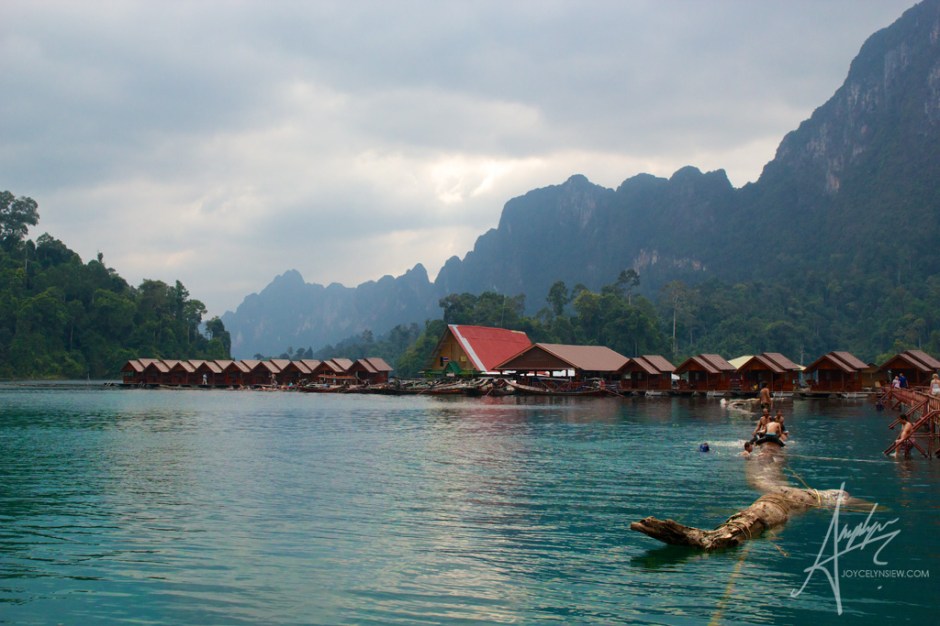
Plern Prai Raft House
The floating bungalows of Plern Prai Raft House nestled amongst the towering limestone cliffs in the middle of the lake with no other civilization to be seen for miles.

I’m a little loathe to bring attention to this place lest it becomes yet another crowded tourist hotspot, but Cheow Lan Lake really is a gem, and everyone should get to enjoy the beauty of Earth. You can spend a whole day on the lake and not see another soul or signs of civilization save for some floating bungalows.

There are plenty of activities to do at Cheow Lan Lake including, obviously, swimming in the emerald freshwater, kayaking, exploring the limestone caves, hiking through the ancient rainforest and wildlife spotting.

Cheow Lan Lake
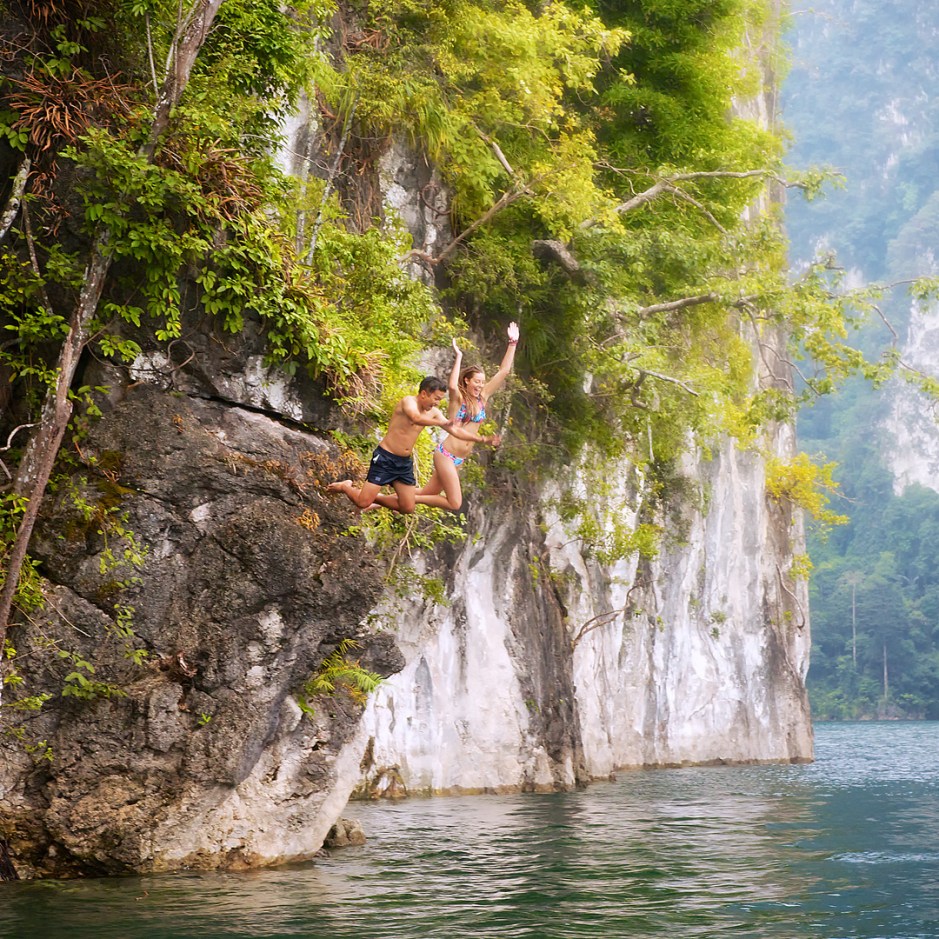
Leaping into deep waters in the middle of a vast lake – better than pools!
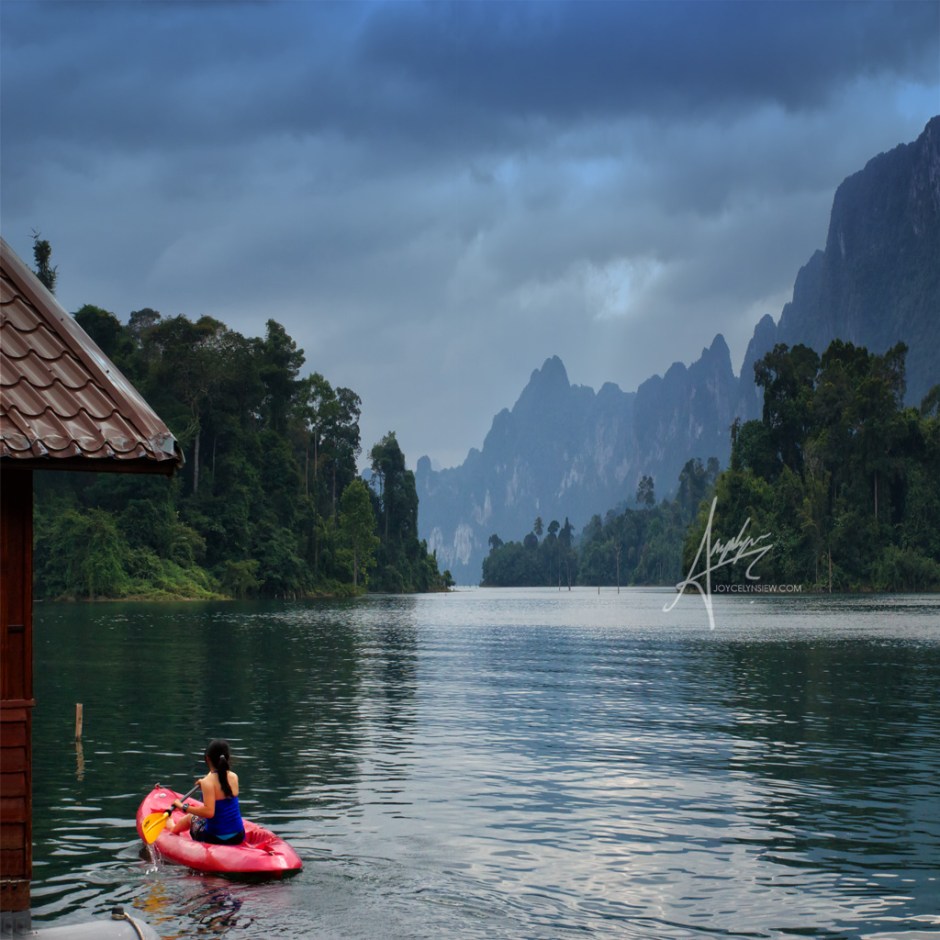
Cheow Lan Lake
Kayaking on endless water on Cheow Lan Lake

Places on the lake are remote, and the only way to get around is by longtail boat with a local guide. You can book tours and accommodation in one of the floating bungalows with Khao Sok Lake, or if you don’t feel like sleeping on water, there are many rustic bungalows or treehouse style accommodation nestled in the rainforests of Khao Sok that offer Lake tours too.

3. Elephant Nature Park – Chiang Mai

The Asian Elephant is an iconic symbol of Thailand, but before you hop onto that elephant ride, take some time to make sure you’re not contributing to the exploitation of these creatures. Elephants are wild, and quite often their spirits have to be first broken through the brutal phajaan process before they will submit to being ridden or led around street begging.

Elephant Nature Park, nestled in the hills near Chiang Mai, is a sanctuary for abused, injured and rescued elephants. Known as Thailand’s Elephant Whisperer, Lek rescues elephants from industries such as tourism and logging, often at great bodily risk to herself. Every elephant in the Park has a story, and here you will learn about them, Lek’s story, and the traditional methods used to break elephants that are still being used. If you’re not in Chiang Mai, there are a few other elephant sanctuaries around Thailand.

Activities at the Park include feeding the elephants and bathing them. You can go for a walk through the grounds with elephants roaming free and watch them interact with one another. Watch out for the baby elephants though! They love to play, but don’t necessarily know their strength. You can see the elephants’ personalities shining through, and I found this to be a more enjoyable way of interacting with them, as opposed to riding on one that has lost the spark in its spirit. There is even a dog shelter at the Park, so you can pop by to say hello or walk them.

This cheeky girl is Mae Keow. She would so ever gently accept your food offering, tuck it into the curve of her trunk and immediately ask for more, even though she had yet to eat all the fruit she was still holding! Shortly after my visit, she lost the will to live, and has since passed to join her best friend Lily whom she lost a few years beforehand.
This is Mae Lanna. She is 60% blind, most likely damaged by sling shot – the method used to force elephants to work in the logging industry. She was rescued from begging on the streets of Pattaya.
Medo looks like she’s posing in this photo with the girls after her daily bath, but in actuality her left ankle was broken when a heavy log fell on her while she was working in a logging camp. No longer able to work due to her lameness, she was forced into a breeding program where her backbone was dislocated after being chained by all four legs and left unable to escape or defend herself from an attacking bull. Initially very shy after her rescue, she is now best friends with Mae Lanna.

Elephant Nature Park offers day trips out of Chiang Mai as well as longer volunteer trips for those who want to give a little something back or just immerse themselves a little more in the elephant experience and local village life.

I did a two week volunteering program with Elephant Nature Park, and it was really a wonderful way to see the elephants and experience and learn about the local Thai culture.

Wondering what volunteering looks like and what fun activities and cultural engagements there are? More detail over at Voluntouring at Elephant Nature Park, Thailand.

For more adventures, follow me on Instagram!

Camping at Conto

I went camping at Conto Campsite some time ago. It’s a beautiful little spot near a gem of a place called Margaret River in Western Australia. Having come from a country that’s basically just one urban city, I’m continually amazed by how fortunate we are in Australia with our clear skies and abundant wildlife. The night sky always steals my breath away, no matter how many times I see it. And far from city lights, it’s so gloriously beautiful, words can’t describe it. This is the first time I’ve tried capturing the milky way, and I hope that one day I’ll be able to imbue my photos with the same sense of inspiring awe.

Milky Way

ISO 3200 | 18mm | f/3.2 | 30s

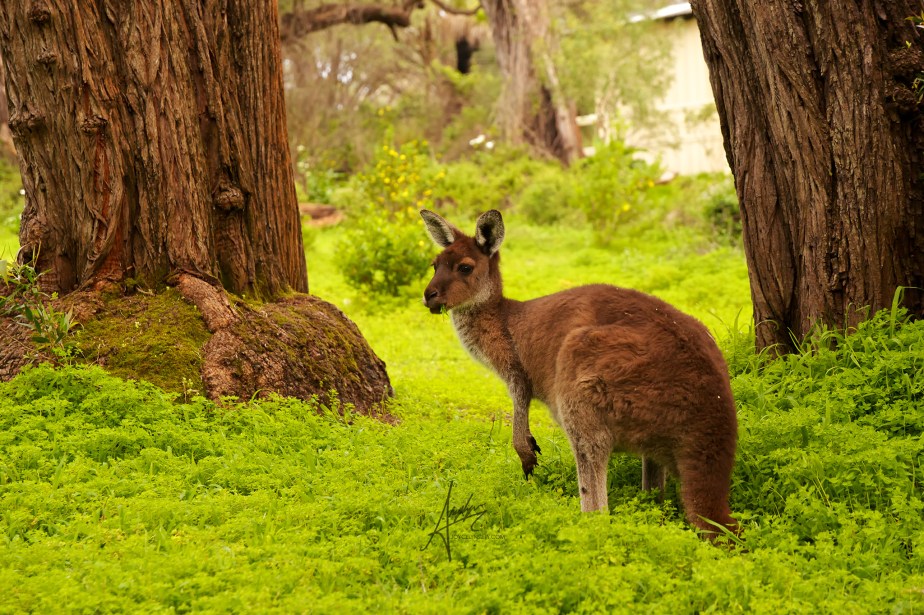
Wild Western Grey Kangaroos roamed freely on the campground. Kangaroos are endemic to Australia. The name Western Grey Kangaroo is a misnomer, as they are neither grey nor western. They are actually brown, and occupy southern Australia. Kangaroos communicate through a series of soft clicks. They are also nocturnal, so if you’re wandering around in the dark at night trying to find the toilet, you’re likely to bump into one.

Western Grey Kangaroo

ISO 800 | 100mm | f/4.0 | 1/100s

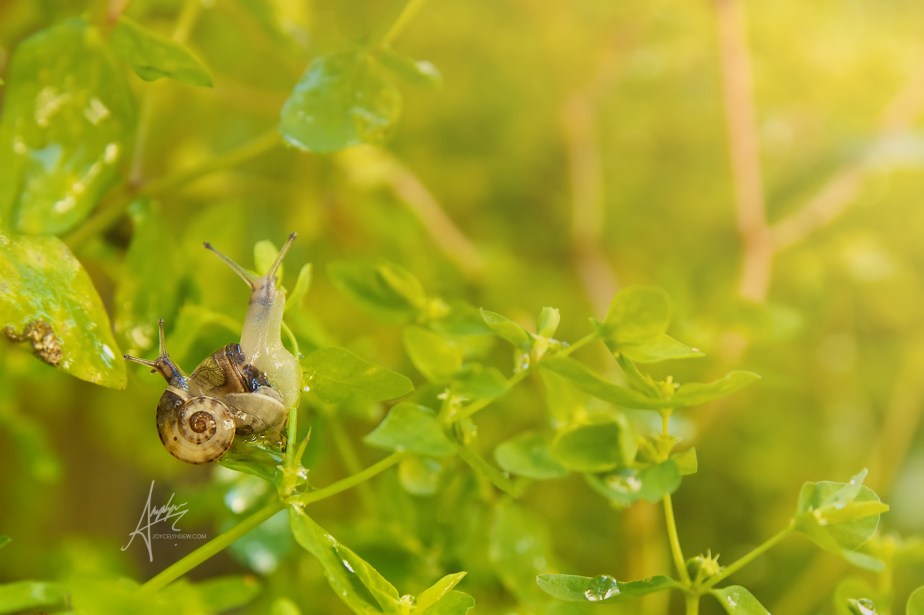
There’s nothing quite like sleeping outdoors in the rain (under shelter of course). The pattering is just so soothing, and it makes the air pleasantly cool. In the morning, the leaves are all covered in droplets, and some other adorable creatures.

IMG_5858

ISO 400 | 50mm | f/5.6 | 1/40s

Join me on Facebook or Google+!